
Birmingham Formwork
COMPANY PROFILE
Birmingham Formwork
Overview
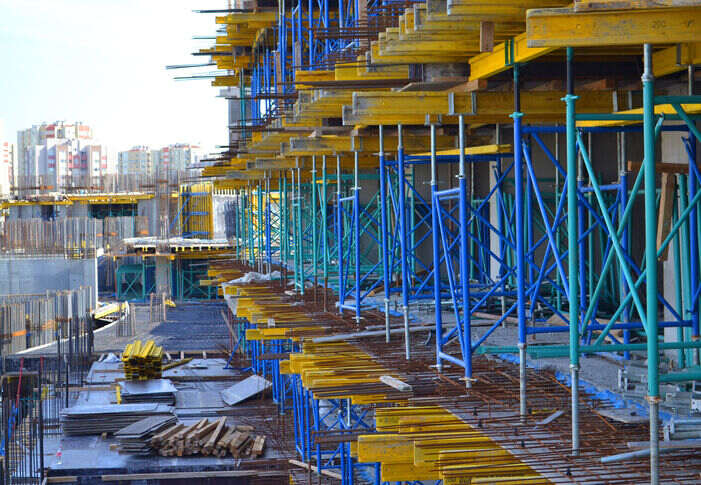
Discover the fundamental concepts, materials, and engineering principles behind Birmingham formwork in modern construction projects. The Role of Formwork in Modern Construction In the bustling construction landscape of the UK, temporary structures play a critical role in shaping reinforced concrete. Specifically, Birmingham formwork serves as the backbone for numerous infrastructural and architectural developments across the region. It acts as a mould into which concrete is poured, holding the material securely in place until it achieves sufficient self-supporting strength. Materials and Engineering Principles The methodology behind Birmingham formwork relies heavily on precision engineering and material versatility. Contractors typically utilize timber, steel, or aluminium systems depending on the load-bearing requirements of the project. Timber offers high flexibility and ease of customization, while steel and aluminium provide durability, reusability, and the capacity to withstand immense hydraulic pressure from wet concrete. Safety and structural integrity remain paramount during the installation and dismantling phases. Engineers must carefully calculate loads, span distances, and pour rates to prevent structural failure. Ultimately, the effective deployment of Birmingham formwork ensures both the aesthetic quality and structural longevity of contemporary buildings and civil engineering works.Actions
Contact Name: Birmingham Formwork
Phone Number: 0000000000
Primary Address
BIRMINGHAM, Birmingham, UNITED STATES, United Kingdom 8765443
Social Media
Key Facts
| Services: Construction | |
|
Founded:
Revenue:
Firm Size:
No of Clients:
|
|
| Client Name: | |
|
Key People:
|