
Demolition Work: Understanding Demolition Machinery and Equipment
Demolition Work: Understanding Demolition Machinery and Equipment
Posted on: April 14, 2026 | Written by: Types of Equipment
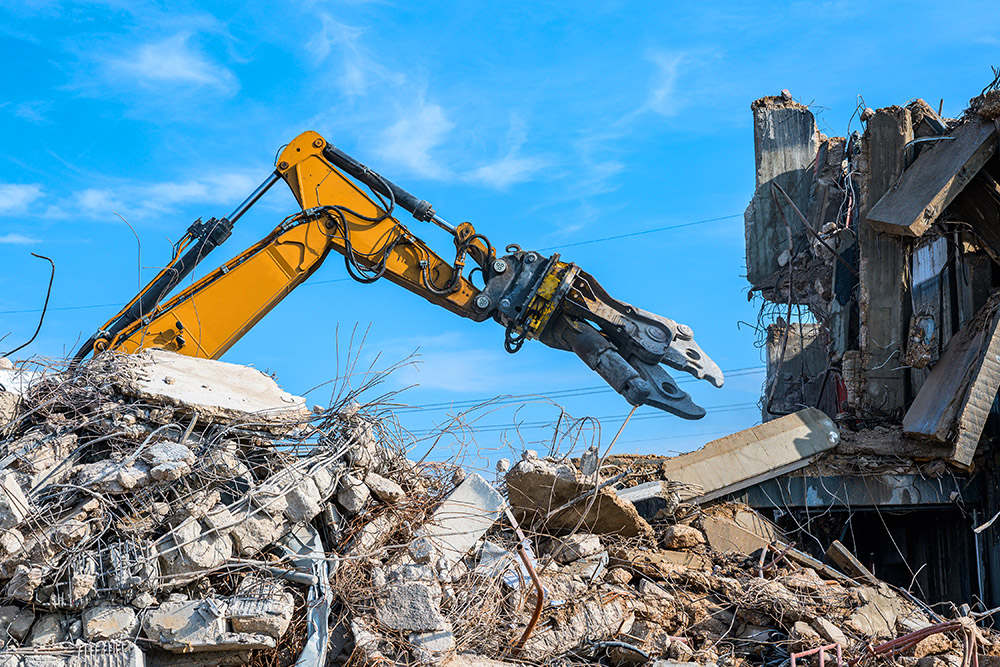
Types of Demolition Machines
When it comes to tearing down a building, the right machine is a game-changer. You’ve got your heavy-duty excavators and bulldozers – but also more compact and versatile skid steer loaders that can tackle smaller jobs. The type of machine you choose all depends on how big the job is, what kind of structure you’re dealing with, the site conditions, and the safety measures in place. Each machine plays a unique role in safely and efficiently tearing down the structure.
Excavators in Demolition Projects
Excavators are among the most popular demolition equipment, and for good reason – they can do just about anything. With a range of attachments and their hydraulic power, they can break down concrete and steel structures with ease. You can hook them up with hammers, crushers, and rippers – and even get high-reach demolition excavators designed for taller buildings, allowing for a controlled demolition from a safe distance. Our article on what an excavator is and how it works covers the full range of types and capabilities if you want to understand which model suits your demolition scope. And while the operator is busy taking it down from the cab, you know the machine is in good hands.
Crawler Excavators: Their Key Features
Crawler excavators are built tough for a reason, and demolition work is the perfect showcase of that. Their rugged design and stability make them perfect for navigating uneven terrain – and their tracks are super tough on debris. They can handle heavy loads and put out some serious force – and that’s exactly what you need for tearing down concrete and steel. The right machine can make all the difference in the world.
Full post: What Equipment Is Used For Demolition
About the author:
We are committed to providing the best possible experience you will not find anywhere else. So you get the maximum benefit at the optimal cost.