
Guide to Rough Terrain Forklift: Terrain Types & Certification
Guide to Rough Terrain Forklift: Terrain Types & Certification
Posted on: February 2, 2026 | Written by: Quotor
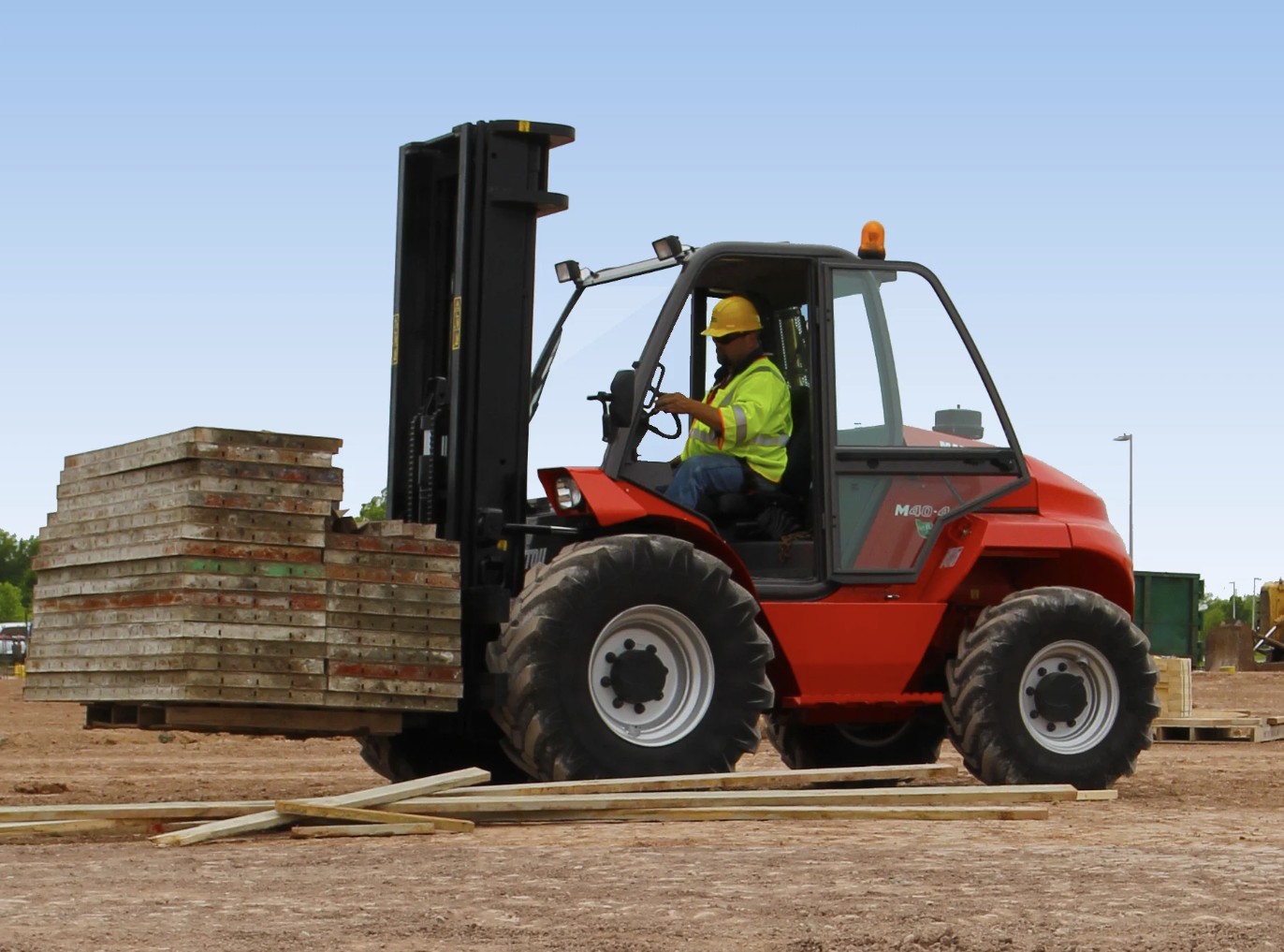
What is Rough Terrain
Rough terrain means uneven or unstable ground conditions that standard forklifts can’t handle. This type of ground is found on construction sites and other outdoor environments. Unlike the smooth surfaces conventional forklifts require, rough terrain has obstacles like rocks, mud, gravel, and steep slopes that demand a specialized approach to material handling. The definition of terrain is subjective but generally means conditions where a conventional forklift would struggle to get traction and stability.
Characteristics of Different Terrain Types
Different types of terrain present different challenges. These challenges can be summarized as navigating through disturbed surfaces and ensuring safety with heavy-duty equipment.
Terrain Type
Challenge
Gravel
Slippage is a common issue encountered in challenging ground, requiring careful operation and appropriate equipment.
Mud/Sand
Reduced traction
Slopes require powerful diesel engines and brakes, while rocky ground requires high ground clearance to navigate effectively. Knowing these characteristics is key when choosing the right forklift for your needs. The type of terrain can greatly impact performance and safety, especially in disturbed terrain.
Importance of Terrain in Forklift Selection
The choice of the forklift depends heavily on the terrain; counterbalance forklifts are for smooth surfaces, rough terrain forklifts are for tough conditions. Using a traditional forklift on rough outdoor surfaces can lead to accidents and damage to the machine. All-terrain forklifts have features like high ground clearance, rugged tires, and powerful diesel engines to navigate these environments safely and efficiently. Choosing the right machine means reliable performance, safety, and longevity of the equipment, especially when operating in rugged terrain.
Full post: What Is a Rough Terrain Forklift
About the author:
We are committed to providing the best possible experience you will not find anywhere else. So you get the maximum benefit at the optimal cost.