
Main Parts of an Excavator: Understanding Excavator Components
Main Parts of an Excavator: Understanding Excavator Components
Posted on: March 27, 2026 | Written by: Types of Equipment
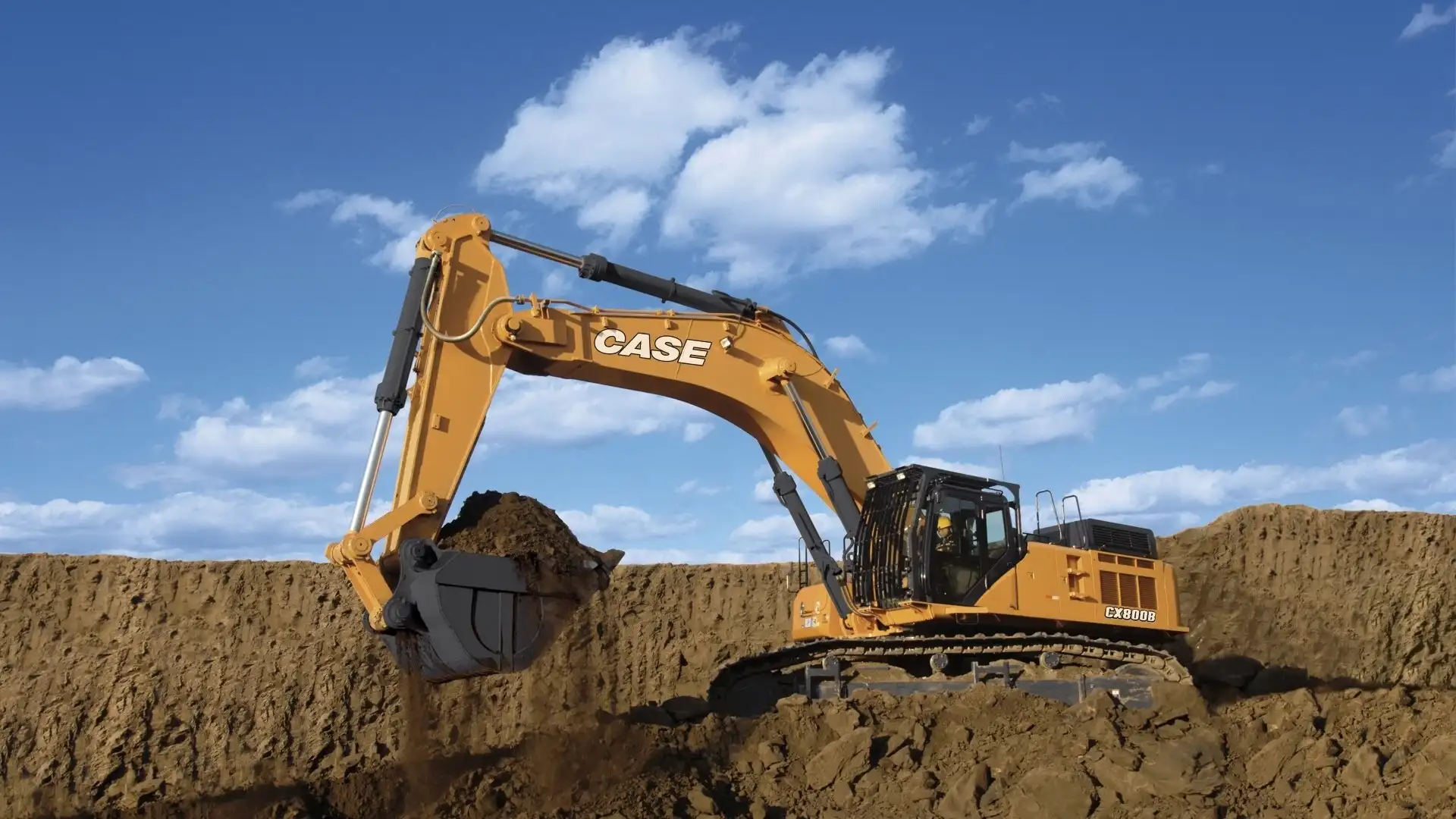
What is an Excavator – and Why is it Important
An excavator is a big construction vehicle made up of a boom, dipper, a bucket and a cab – all of which sit on a rotating platform called the “house”. The undercarriage, with either tracks or wheels, is what gives you the mobility and stability to get the job done. And of course, it all relies on a hydraulic system to get the parts moving. Understanding what all these bits do is crucial if you want to get the best out of your excavator – and keep it running smoothly. If you want a broader overview of the machine before diving into its components, our guide on what an excavator is and how it works is a good place to start.
Types of Excavators
Excavators come in all shapes and sizes, from big crawlers to compact mini excavators. Crawler excavators use tracks for movement and are ideal for rough terrain, where they can really dig in with their grip. Mini excavators are small, but can still get the job done on smaller sites. Wheeled excavators are great on paved surfaces – and can go a lot faster than their tracked cousins. The choice of excavator will depend on what job you’re doing – and what kind of surface you’re working on.
Where Excavators Come In Handy
Excavators are super versatile machines – used in all sorts of jobs. They’re great for digging, of course – but are also used for laying trenches, lifting heavy loads – and even demolitions. With the right attachment, an excavator can even do tasks like augering and grapple work – which is where the arm and bucket come in handy. These are the tools of the trade – and are essential for getting the job done.
Full post: Parts of an Excavator
About the author:
A marketplace that connects contractors, builders, and project managers with construction equipment hire suppliers. It allows users to browse a wide range of plant and machinery (like excavators, loaders, and forklifts) and request quotes from multiple providers, streamlining the equipment sourcing process.