
What Is a Compaction Roller? Static vs Vibratory, Single vs Double Drum Rollers
What Is a Compaction Roller? Static vs Vibratory, Single vs Double Drum Rollers
Posted on: August 13, 2026 | Written by: Types of Equipment
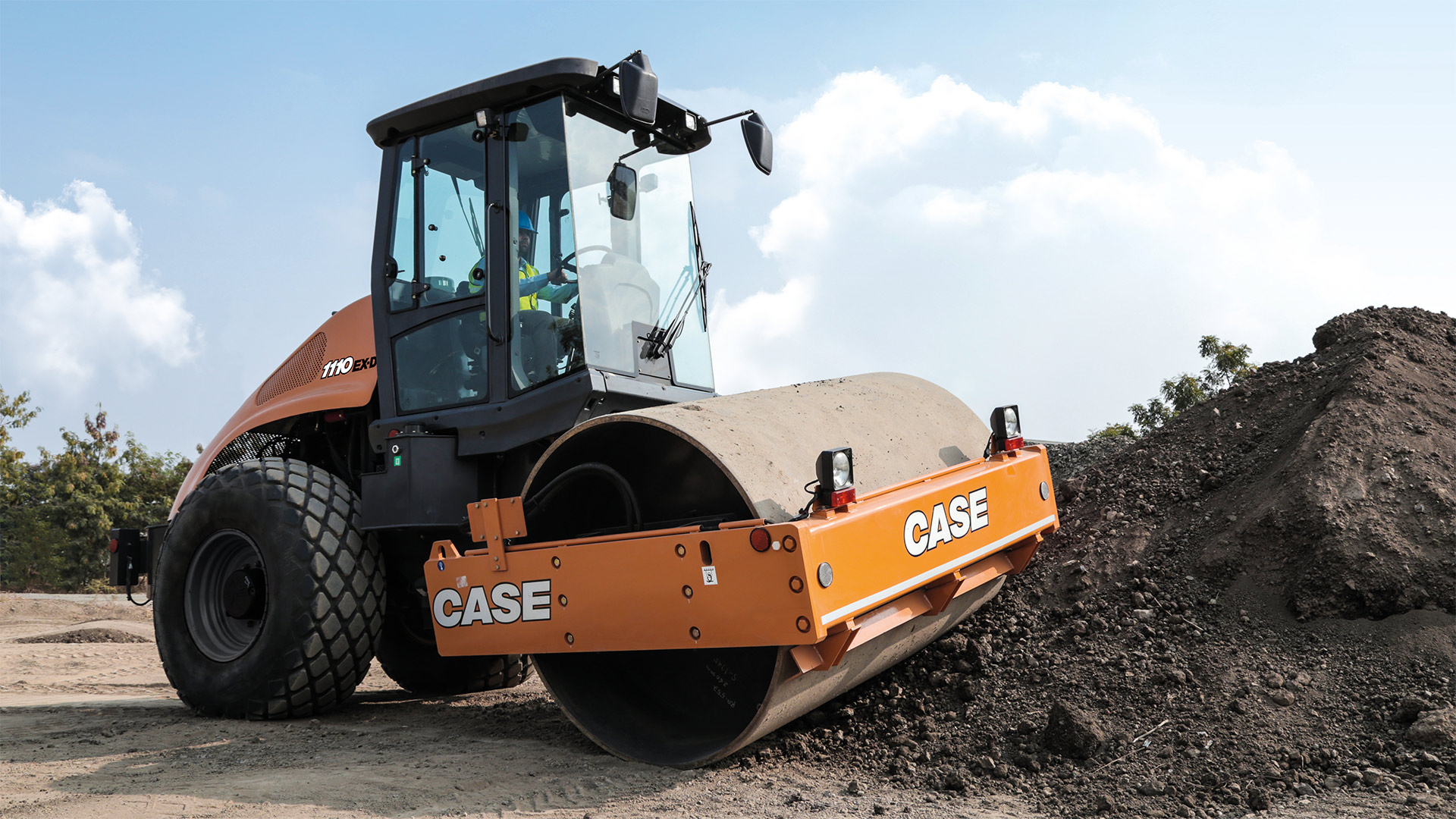
Static vs Vibratory Rollers
The static versus vibratory choice depends on the material and depth needed. Static rollers are lighter and easier to control, suiting finishing passes where surface finish matters more than depth. Vibratory rollers knead granular materials into a denser mass and compact deeper layers than static weight alone. Too much vibration on wet clay can loosen it, so operators finish with a lighter pass.
Single Drum vs Double Drum Rollers
A single drum roller has one steel cylinder up front and tyres behind, for traction. Double drum rollers, also called tandem rollers, swap those tyres for a second cylinder, so both ends compact at once. Both are a type of road roller; Quotor’s guide to choosing between them shows why two vibrating drums together get a smooth finish in fewer passes than a single drum machine.
Smooth Drum vs Padfoot Rollers
Surface texture is what really separates these two, not just whether the roller is static or vibratory. Smooth drum rollers use a plain steel cylinder, suited to granular surfaces and asphalt, for an even, compact surface rather than deep penetration. Padfoot rollers swap that smooth steel for tapered pads that knead cohesive clay from inside the layer out, and many padfoot units are vibratory too, since kneading and vibrating are complementary rather than competing mechanisms. Quotor’s comparison of the two is worth checking, since the wrong type can leave material under compacted no matter which roller is running.
Full post: What Is a Compaction Roller
About the author:
na