
What Is a Mining Excavator? Types, Uses and Key Features
What Is a Mining Excavator? Types, Uses and Key Features
Posted on: September 17, 2026 | Written by: Types of Equipment
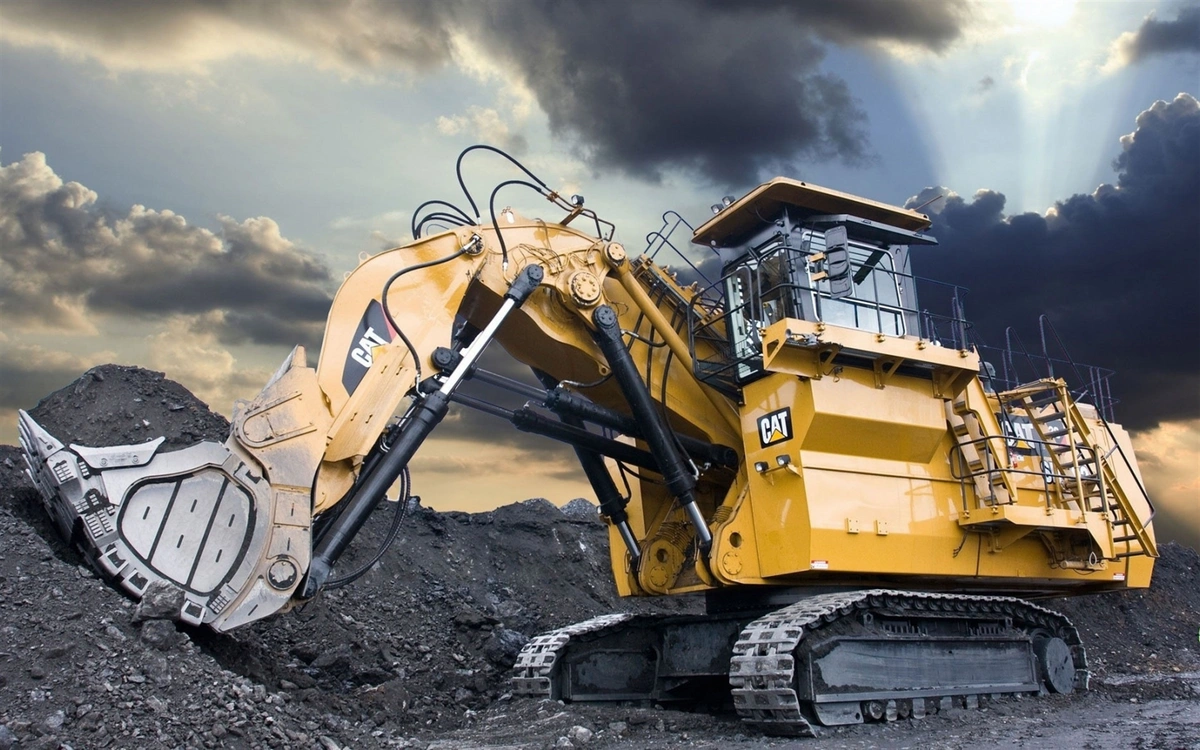
What Is a Mining Excavator?
A mining excavator sits within the broader earthmoving equipment family, but at a scale most construction sites never need. Within Quotor’s taxonomy, mining-scale excavators typically sit in the Large and Mining classes, from about 36 tonnes upward, although mining and quarry operations can also use smaller excavators depending on the task. The largest hydraulic mining shovels run well past 300 tonnes, with electric rope shovels bigger again, and the class is built for quarrying, mining support and major infrastructure work rather than the general digging most construction-grade machines handle. Their job is narrow but heavy: load haul trucks directly from the pit face, strip the waste rock covering an ore body, and move bulk material at a rate that keeps a mine’s truck fleet running.
How Mining Excavators Differ from Construction Excavators
A general-purpose excavator is built for flexibility, switching between digging, trenching, lifting and grading across a varied job site. A mining excavator gives up that flexibility for production. It runs a reinforced structure and heavier counterweights to handle sustained digging forces, uses much larger bucket capacities, with the payload per pass determined by bucket volume, material density and fill factor, and is usually set up in one configuration, backhoe or front shovel, matched to how the pit face is worked rather than swapped between tasks. Most stay on one site for years rather than moving between jobs, which is why mobilisation and transport matter more here than for almost any other excavator class.
Full post: What Is a Mining Excavator
About the author:
na