
Wheel Loader: Everything You Need to Know
Wheel Loader: Everything You Need to Know
Posted on: December 30, 2025 | Written by: Quotor
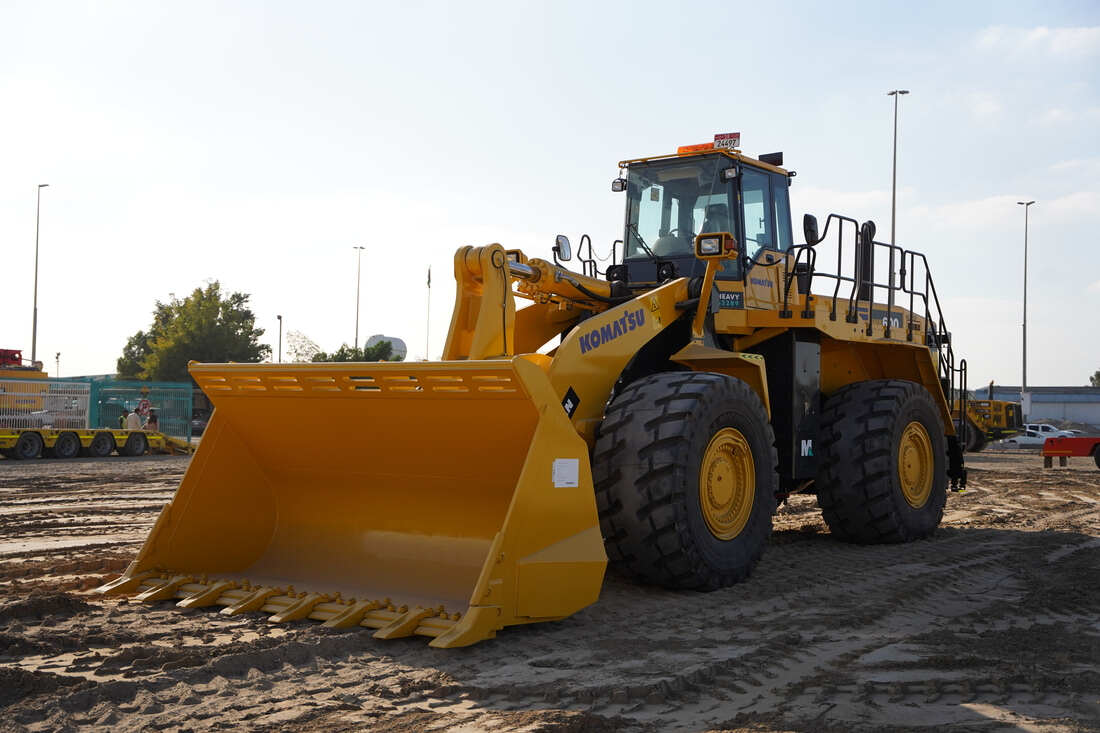
History of The Wheel Loader
The history of the wheel loader is one of continuous innovation and adaptation to the changing needs of construction and agriculture, as wheel loaders come equipped with advanced features to enhance their functionality. Early loaders were tractor based with a front mounted bucket. These early designs laid the foundation for the modern wheel loader, a piece of heavy machinery that’s powerful and versatile on any jobsite.
Early Days
Early wheel loader designs involved modifying tractors with front mounted buckets. These early versions were basic, often without hydraulic power and sophisticated engineering of modern machines. While these early loaders were less efficient than today’s models, they were a big step forward in mechanizing loading and moving materials on site.
Modern Developments
Modern wheel loaders have hydraulic systems, powerful engines, and advanced controls, making them more efficient and precise for various worksite applications. These advancements have allowed bigger machines to handle heavier loads with ease, making them essential on construction sites and quarries. Modern wheel loaders have better operator cabs and safety features, making the operating environment safer and more comfortable.
Impact On Construction And Agriculture
The wheel loader offers a huge benefit in construction and agriculture, making it possible to reduce manual labor. Wheel loaders transport heavy loads and can be used in agriculture, speeding up processes and increasing productivity. In construction the wheel loader is used to load trucks with gravel and clearing debris, a critical part of getting projects done on time and on budget.
Full post: What Is a Wheel Loader
About the author:
Quotor - A marketplace that connects contractors, builders, and project managers with construction equipment hire suppliers. It allows users to browse a wide range of plant and machinery (like excavators, loaders, and forklifts) and request quotes from multiple providers, streamlining the equipment sourcing process.